BOOK, EXPLORE, EXPERIENCE
We would love to help plan your dream trip to our Islands!
Welcome to Go2Hawaii
Your dream Hawaiian vacation starts here! Whether you're planning your first trip to the islands or you're a seasoned traveler, Go2Hawaii is your ultimate resource for all things Hawaii. From booking activities and tours to discovering hidden gems, we have everything you need to create unforgettable memories.
Discover our Islands
Hawaii is a paradise of stunning landscapes, vibrant culture, and endless adventure. Dive into the crystal-clear waters of Maui, hike the lush trails of Kauai, explore the bustling streets of Honolulu, or relax on the serene beaches of the Big Island. Each island offers unique experiences, and we're here to help you explore them all.
Book Online
with Ease
Say goodbye to the stress of planning. With Go2Hawaii, booking your Hawaiian adventure has never been easier. Browse our extensive selection of activities and tours, from snorkeling and surfing to cultural excursions and helicopter rides. Find the best deals and secure your spots with just a few clicks.
Experience the Aloha Spirit
Immerse yourself in the rich traditions and warm hospitality of Hawaii. At Go2Hawaii, we connect you with local guides and authentic experiences that let you truly feel the spirit of Aloha. Whether you're seeking adventure, relaxation, or cultural enrichment, we're here to make your Hawaiian dreams come true.
Start Your Journey
Ready to embark on your Hawaiian adventure? Explore our website, book your activities, and get ready to experience the beauty and magic of Hawaii. With Go2Hawaii, your perfect island getaway is just a click away.
Discover our Islands of Aloha!
Oahu: The Heart of Hawaii
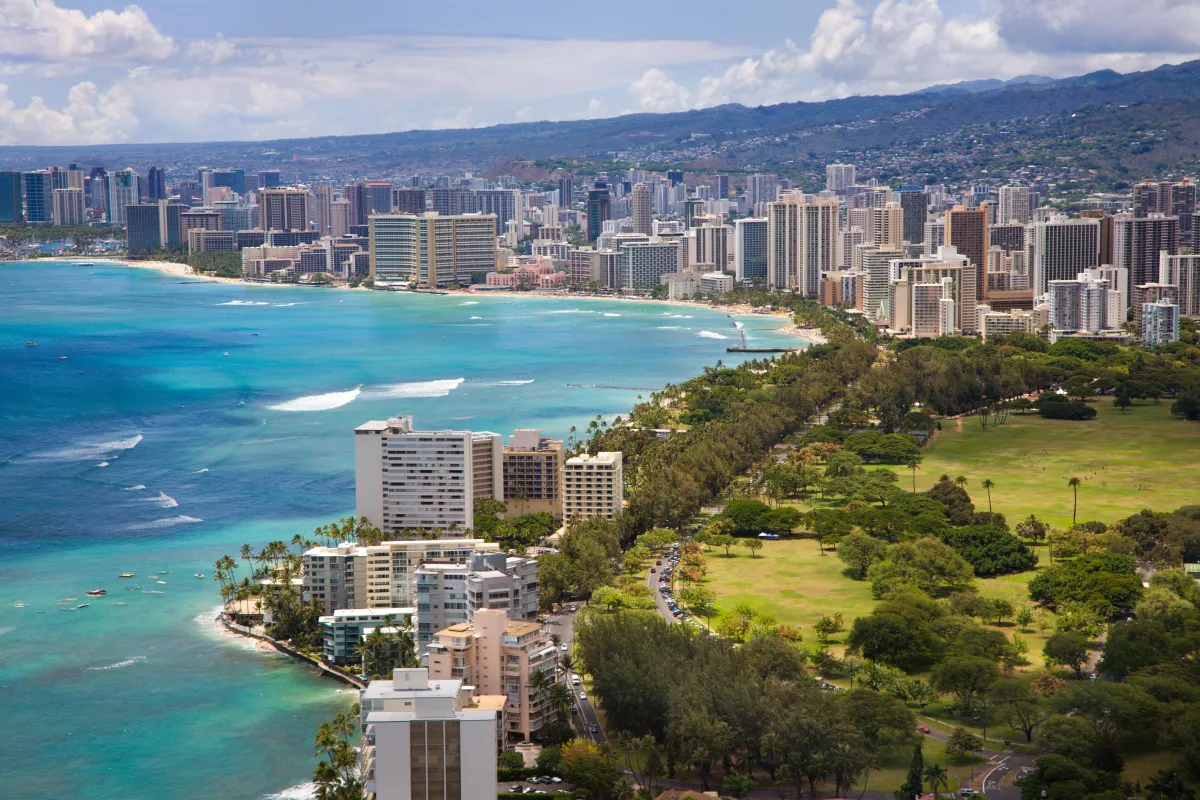
Oahu, known as "The Gathering Place," is the vibrant heart of Hawaii. Home to the bustling city of Honolulu, iconic Waikiki Beach, and historic Pearl Harbor, Oahu offers a unique blend of urban excitement and natural beauty. Whether you're surfing the North Shore, hiking to the top of Diamond Head, or exploring the local food scene, Oahu promises endless adventure and cultural experiences.

Maui - The Valley Isle
Discover Maui, a paradise of lush landscapes and stunning coastlines. Whether you're driving along the scenic Hana Highway, watching the sunrise from Haleakala Crater, or snorkeling in the crystal-clear waters of Molokini, Maui offers endless adventures. With its luxury resorts, charming towns, and world-class beaches, Maui is the perfect destination for romance, relaxation, and exploration.

Kauai - The Garden Isle
Experience the natural beauty of Kauai, where emerald valleys and rugged cliffs meet pristine beaches. Known as the Garden Isle, Kauai is a haven for outdoor enthusiasts. Hike the legendary Napali Coast, take a boat tour to explore hidden sea caves, or relax on the sandy shores of Hanalei Bay. With its lush rainforests and dramatic landscapes, Kauai is a true island paradise.

Hawaii Island (Big Island) - The Orchid Isle
Explore the Big Island, a land of striking contrasts and boundless adventure. From the fiery landscapes of Hawaii Volcanoes National Park to the snow-capped peaks of Mauna Kea, the Big Island offers unique experiences you won't find anywhere else. Swim with manta rays, visit lush coffee farms, and discover the rich cultural heritage in Hilo and Kona. The Big Island invites you to experience its diverse and dynamic beauty.
Our Hidden Gems
Moloka'i - The Friendly Isle
Immerse yourself in the authentic Hawaiian culture of Moloka'i. Known as the Friendly Isle, Molokai offers a glimpse into a simpler way of life. Visit the historic Kalaupapa National Historical Park, hike to the breathtaking Halawa Valley, and enjoy the untouched beauty of Papohaku Beach. With its strong sense of community and unspoiled landscapes, Moloka'i invites you to experience the true spirit of Aloha.
Lana'i - The Pineapple Isle
Step into the serene and secluded world of Lana'i. Once known for its pineapple plantations, Lanai now offers a quiet escape with luxurious resorts and unspoiled nature. Explore the otherworldly landscapes of the Garden of the Gods, relax on the pristine beaches of Hulopoe Bay, and take a 4x4 adventure to discover hidden treasures. Lanai is the perfect destination for tranquility and luxury.
Ni'ihau - The Forbidden Isle
Ni'ihau, known as the Forbidden Isle, offers an exclusive glimpse into an untouched, traditional Hawaiian way of life. Accessible only by invitation, this private island preserves its natural beauty and cultural heritage, making it a rare and unique destination. With no paved roads or modern infrastructure, Ni'ihau provides a serene escape where you can truly experience the essence of old Hawaii.
Top Tours for O'ahu

Hanauma Bay Snorkel
With its diverse population of marine life, as well as a large and rich coral reef, Hanauma Bay was declared an official protected Marine Life Conservation Area and underwater park in 1967, making this stunning natural wonder a "must see!"
Diamond Head Hike
A must see for any visitor! In the early 1800s, British sailors mistakenly thought the calcite crystals in the lava rocks they saw glimmering from a distance were diamonds, hence the name. Diamond Head is a volcano that has been extinct for 150,000 years.
Turtle Snorkel Sail & Lunch
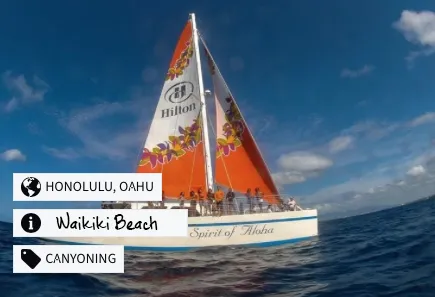
Enjoy a individualized sandwich lunch at sea, and snorkel in Hawaii’s azure waters at Turtle Canyon. Whales visit December through April. See fish, reefs, even green sea turtles at play off the Waikiki coast. Operates daily except on Wednesdays.

Waikiki Friday Fireworks Cruise
Individualized meal & relaxed barefoot cruise. You have the best seat in the house for the Hilton Hawaiian Village Friday Fireworks display. Unlimited nonalcohol beverages. 2 free bar drink tickets per adult; $1 beer/$2 mixer extras. From Waikiki.

Waikiki Sunset Sail
There’s nothing like a Hawaiian sunset, and nothing beats seeing a sunset sail at sea. Enjoy a scenic cocktail cruise, one of the best things to do in Waikiki. Sail south toward Diamond Head, pausing on the way back to catch the moment the sun slips below the horizon.

Waikiki Adventure Sail
Set sail on an expedition to Diamond Head while you take in the sights and delights of Oahu’s natural and city scenery. See marine wildlife in their natural environment and Waikiki Beach from a perspective you can only get at sea.
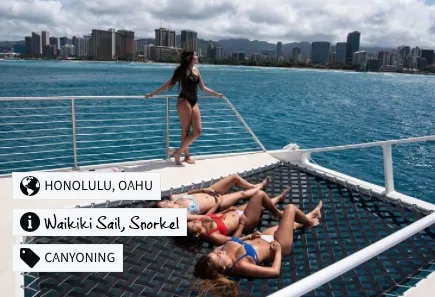
Turtle Reef Snorkel & Sail
Spirit of Aloha takes you to the outer side of the Turtle Canyon reef near Hilton Hawaiian Village. Also enjoy a scenic sail along the Waikiki coast. Enjoy the best snorkeling platform as the yacht becomes your island retreat to a site inaccessible from the beach.

Spirit of Aloha Whale Watch
Whale Watch on the Spirit of Aloha from Waikiki. Every December through April, thousands of Humpback whales migrate to the warm waters of Hawaii. Come along see catch these beautiful mammals at their best on our exciting eco-friendly whale watching excursions.
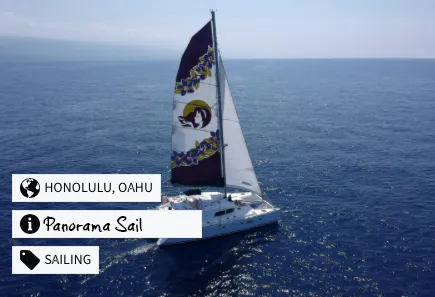
Panorama Sail
A scenic sail, great for photos and sightseeing, from the hip Kewalo-Kakaako district, down Ala Moana Beach shoreline, world-famous Waikiki and toward Diamond Head. Turtles and other marine life often can be seen from onboard.
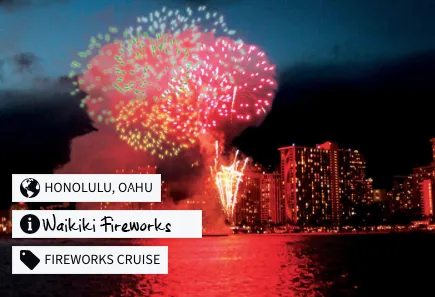
Waikiki Friday Fireworks Cruise/Kewalo
Individualized meal & relaxed barefoot cruise. You have the best seat in the house for the Hilton Hawaiian Village Friday Fireworks display. Unlimited nonalcohol beverages. 2 free bar drink tickets per adult; $1 beer/$2 mixer extras.

Morning Turtle Snorkel
Thrilling snorkeling experiences including seeing Hawaiian green sea turtles. Bring your snorkel and mask, or sanitized re-usable sets are available as a backup. Fins and snorkel vests are provide and in-water assistance from expert crew are included.

Waikiki Turtle Sail, Snorkel, Lunch
Sailing and see Waikiki sights, and thrilling snorkeling experiences including seeing Hawaiian green sea turtles. During whale season (December through April), we’ll also stop to watch those majestic mammals. Snorkel fins and vest and in-water assistance from expert crew.

Whale Watch Waikiki
Every December through March, thousands of Humpback whales migrate to the warm waters of Hawaii. Come along to catch these beautiful mammals at their best on our exciting eco-friendly whale watching excursions. Departs from Kewalo Boat Harbor,
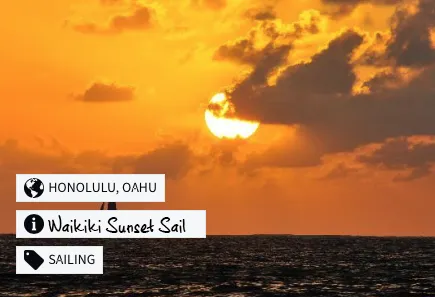
Waikiki Sunset Cocktail Sail
There’s nothing like a Hawaiian sunset, and nothing beats seeing a sunset sail at sea. Enjoy a scenic cocktail cruise, one of the best things to do in Waikiki. Sail south toward Diamond Head, pausing on the way back to catch the moment the sun slips below the horizon.
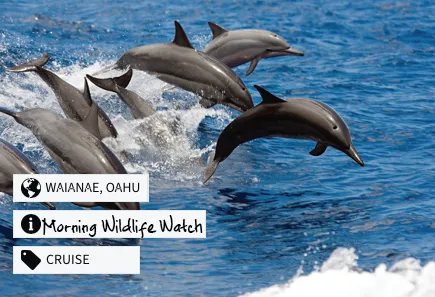
Morning Wildlife Watch
Be whisked away on the powerboat, Sea Dreams II to see marine wildlife such as dolphins and turtles year round, or whales during whale season December through March. Sightsee along the stunning Waianae coastline and enjoy a fast and fun powerboat ride.

West Oahu Ocean Playground
Cruise & snorkel KoOlina Coast. Bring your snorkel and mask, or sanitized re-usable sets are available as a backup. Fins and snorkel vests are provided and in-water assistance from expert crew are included. Single serve snacks and unlimited free bar non-alcohol drinks.
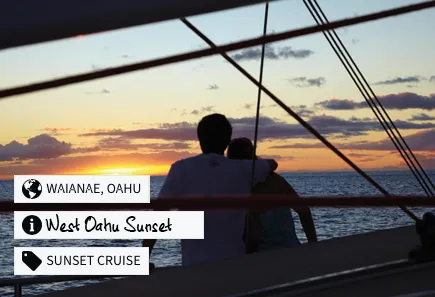
West Oahu Sunset Cruise
Nothing beats a Hawaiian sunset at sea. Enjoy a scenic cruise of the West Oahu coast, catching the moment the sun slips below the horizon – you may even see the green flash. Individualized light bento included. Unlimited non-alcohol beverages.
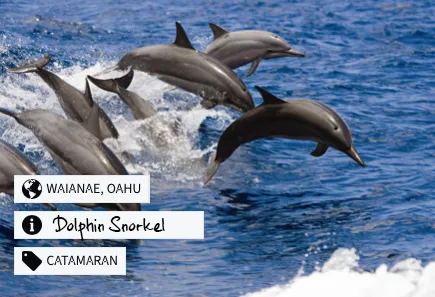
West Oahu Dolphin Snorkel
Morning Snorkel and dolphin sightseeing.Set sail on West Oahu coast’s newest sailing catamaran to view dolphins, turtles and other marine life including whales in-season (December through March). Snorkel at a calm & vibrant anchorage.
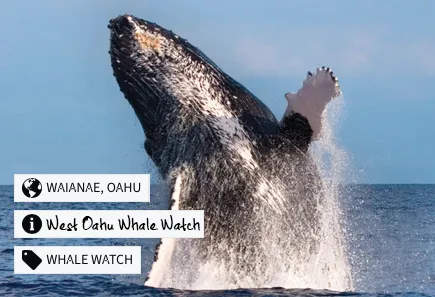
West Oahu Whale Watch
Every December through March, thousands of Humpback whales migrate to the warm waters of Hawaii. Come along to catch these beautiful mammals at their best on our exciting eco-friendly whale watching excursions. Whales are also likely to be seen.

Disney Catamaran
Join an exclusive group of Aulani Guests for this 3-hour ocean adventure. After just a short drive from Aulani, you will board the 65-foot Gold Coast Catamaran "Ko Nau Lani" and cruise out along the shoreline of Oahu’s sun-kissed leeward coast.

Waikiki Parasail
Up to 1,000 feet of tow line allows you and a friend to enjoy perfect views of Diamond Head from Oahu’s south shore. Choose the length that will satisfy your craving for adventure: 700 feet, 850 feet, 900 feet or 1,000 feet.
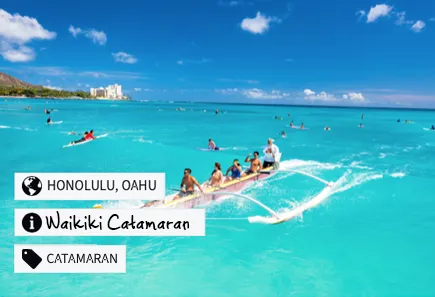
Canoe Surfing
CANOE SURFING is the original Hawaiian rollercoaster ride! Waikīkī Beach is currently the only place where a visitor can experience the thrill of surfing a wave on an outrigger canoe. Up to 6 participants per canoe; minimum of 3 needed for canoe surfing.
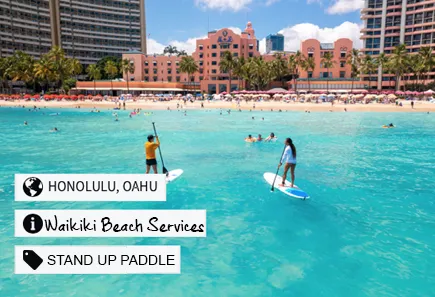
1 on 1 Private SUP Lesson
STAND UP PADDLING is becoming one of the fastest-growing water sports. Because of its ideal conditions, Waikīkī is one of the best places to learn how to stand up paddle. Unique hybrid sport that is a cross between surfing and canoe paddling.
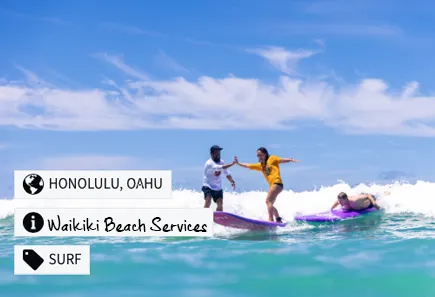
1 on 1 Private Surf Lesson
LEARNING TO SURF from a Waikīkī Beachboy is a must-do while visiting Waikīkī. A 1:1 lesson is a great way for surf novices to get an introduction to surfing. Guests 12 years of age and younger must take a 1:1 lesson for safety reasons.
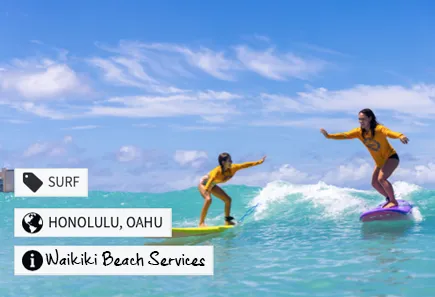
Private Surf Duo (2 people)
LEARNING TO SURF from a Waikīkī Beachboy is a must-do while visiting Waikīkī. Surf lesson for 2 people, 13 years and older. Note: all of our Waikīkī Beachboys are lifeguard and CPR certified and licensed by the state of Hawaiʻi to conduct surf lessons in Waikīkī.
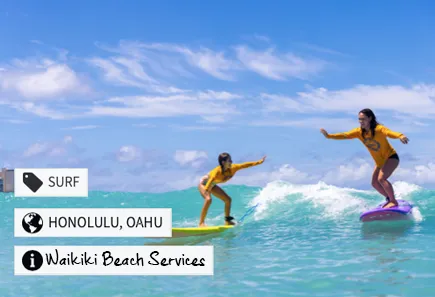
Private Surf Trio (3 people)
LEARNING TO SURF from a Waikīkī Beachboy is a must-do while visiting Waikīkī. Surf lesson for 3 people, 13 years and older. Note: all of our Waikīkī Beachboys are lifeguard and CPR certified and licensed by the state of Hawaiʻi to conduct surf lessons in Waikīkī.
Private Surf Party (4-5 people)
LEARNING TO SURF from a Waikīkī Beachboy is a must-do while visiting Waikīkī. Surf lesson for 4-5 people, 13 years and older. Note: all of our Waikīkī Beachboys are lifeguard and CPR certified and licensed by the state of Hawaiʻi to conduct surf lessons in Waikīkī.
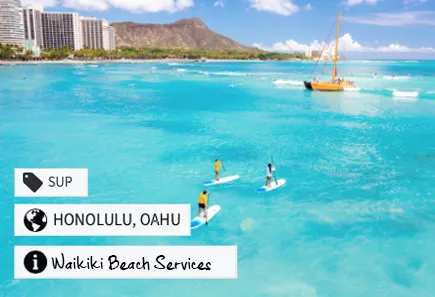
Private SUP Duo (2 people)
STAND UP PADDLING is becoming one of the fastest-growing water sports. Because of its ideal conditions, Waikīkī is one of the best places to learn how to stand up paddle. Unique hybrid sport that is a cross between surfing and canoe paddling.
Private SUP Trio (3 people)
STAND UP PADDLING is becoming one of the fastest-growing water sports. Because of its ideal conditions, Waikīkī is one of the best places to learn how to stand up paddle. Unique hybrid sport that is a cross between surfing and canoe paddling.
Private SUP Party (4-5 people)
STAND UP PADDLING is becoming one of the fastest-growing water sports. Because of its ideal conditions, Waikīkī is one of the best places to learn how to stand up paddle. Unique hybrid sport that is a cross between surfing and canoe paddling.
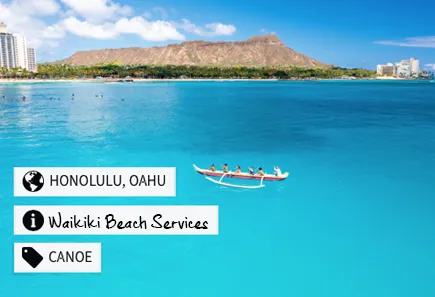
Private Canoe Charter
OUTRIGGER CANOE SURFING is the original Hawaiian rollercoaster ride! Waikīkī Beach is currently the only place where a visitor can experience the thrill of surfing a wave on an outrigger canoe. Maximum of 6 participants per canoe.

East Oahu Parasail
Join us for our safe, exhilarating family adventure, flying up to 600 or 800 feet. Board a KrantzKraft parasailing boat to launch a family adventure. It is safe, fun, and EXHILARATING! Be prepared to smile so much your face hurts.

Ocean Playground Packages
We offer Hawaii's most complete lineup of activities, with packages designed, so you can experience multiple adrenaline-pumping playthings in one day. Jet skiing, bumper tubing, and banana boating to relaxing and fun activities like parasailing and snorkeling, we've got it all!
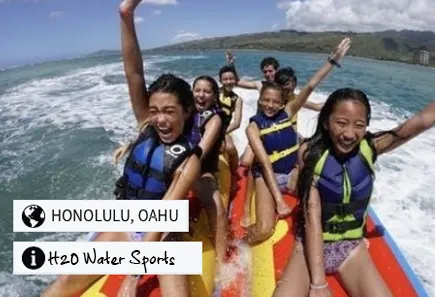
Banana Boat Ride
Mount Up, Hang On, Get Wet! Banana boats cause smiling. Let’s just say that no one at H2O Sports Hawaii can recall anyone ever frowning while getting drenched on a banana boat ride. Is it even legal to have so many laughs? It sure is in Hawai’i!
Bumper Tube Ride
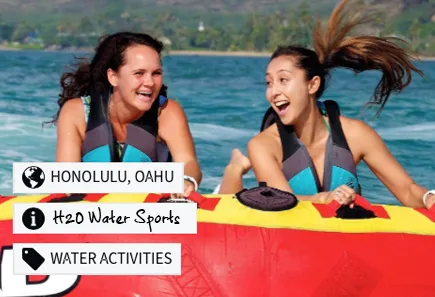
You are on your tummy, your face just inches from the water and the wake of a jet ski. Sound wet enough? Whether you are in Maunalua Bay or the Hawai‘i Kai Lagoon, our advice is simple: Don’t let go! The result will be momentary, total immersion in Hawaiian waters!
Jet Ski Ride
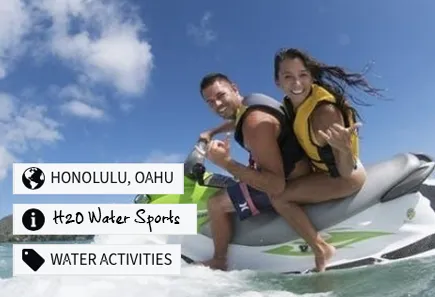
At H2O Sports, you ride on state-of-the-art Yamaha VX110 Personal Watercraft in a protected area of calm, lovely Maunalua Bay. New skis are almost always safer skis, and we add to safety by having our course under the watchful eyes of US Coast Guard licensed Captains.
Shark Cage Diving
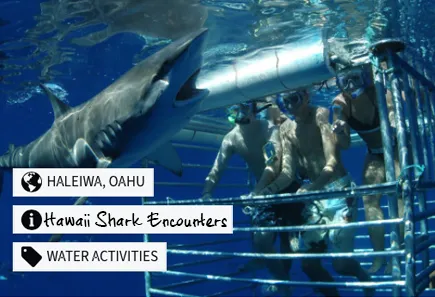
More than just an adventure, this educational tour takes you into a world that few can ever experience. Located on the North Shore of Oahu, this tour takes you into the open ocean, over three miles offshore, observe sharks in their natural environment from the safety of a cage.

Private Charter
Set sail from Kewalo Basin, Honolulu, on your own private catamaran for an unforgettable party at sea. Enjoy stunning views of Diamond Head, the Waikiki skyline, and vibrant marine life as you cruise in style in your own 46 passenger power catamaran.

Sea Turtle/Snorkel Adventure
This is a fantastic adventure for the whole family. Snorkel and dive with the Green Hawaiian Sea Turtles, view them in their natural habitat. Snorkelers and divers will also view a large variety of other sea life, some only seen here in Hawaii.
Private Charter
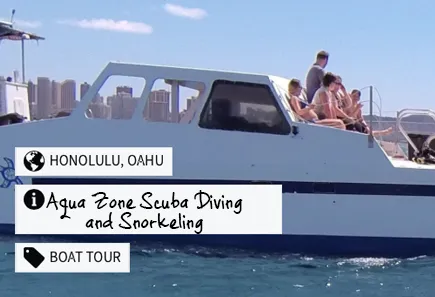
Set sail from Kewalo Basin, Honolulu, on your own private catamaran for an unforgettable party at sea. Enjoy stunning views of Diamond Head, the Waikiki skyline, and vibrant marine life as you cruise in style in your own 46 passenger power catamaran.
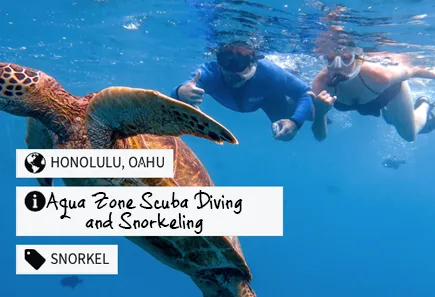
Sea Turtle/Snorkel Adventure
This is a fantastic adventure for the whole family. Snorkel and dive with the Green Hawaiian Sea Turtles, view them in their natural habitat. Snorkelers and divers will also view a large variety of other sea life, some only seen here in Hawaii.

Sunshine Private Ride
Our spectacular oceanfront tour with the exclusivity or romance of your own private group. We recommend this tour for couples looking to kindle their relationships or any group that seeks to have a more personal experience. Make any trail ride time slot your own!
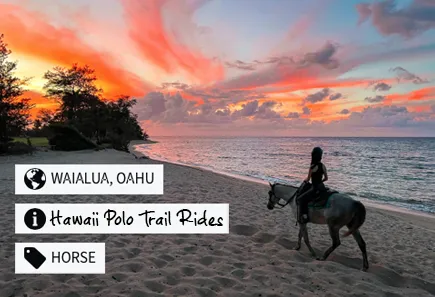
Sunset Horseback Ride
Expect spectacular lighting on this tour during the ‘golden hours’ before sundown! Perfect for both experienced riders or for guests who have never ridden a horse before, our rides offer a fun and unique experience. You will be riding real working polo ponies.
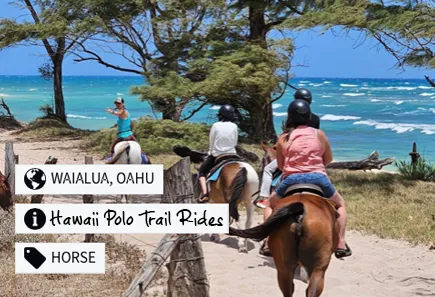
Sunshine Horseback Ride
Perfect for both experienced riders or for guests who have never ridden a horse before, our rides offer a fun and unique experience. During your ride, you’ll have a spectacular view of the ocean and may catch a glimpse of a sea turtle on the rocks in front of the polo field.

Polo/Riding Lesson
Learn to play the 'sport of kings' on the famous North Shore! Or just learn to ride! No previous riding experience necessary! You will be riding real working polo ponies who will take very good care of you. Must be ages 8 years and over.
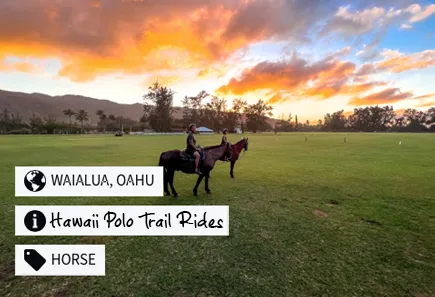
Sunset Private Ride
Sunset oceanfront tour with the exclusivity or romance of your own private group. We recommend this tour for couples looking to kindle their relationships or any group that seeks to have a more personal experience. This ride books out early.

Sunset Snorkel Dinner Cruise
Our Sunset Snorkel Cruise is the only Sunset Dinner Cruise that also takes you snorkeling. Learn about the magical history of our islands and the Waianae coastline as our crew enchants you with legends and history of this beautiful land.
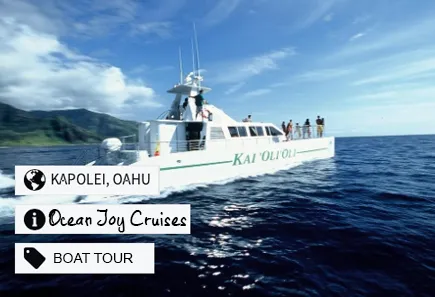
Afternoon Adventure Cruise
Learn about the magical history of our islands and the Waianae coastline as our crew enchants you with legends and history of this beautiful land. After an exciting ride up the coast, we’ll enjoy an hour of snorkeling in the pristine waters.
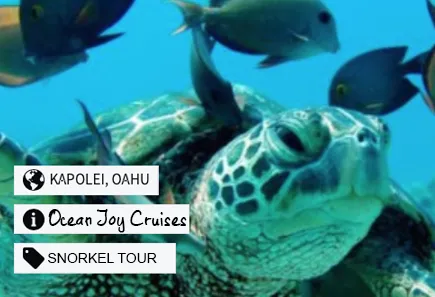
Morning Calm Cruise
Premier experience that will take you along the Waianae coast (west coast of Oahu), from Ko’Olina Marina to various points along Oahu’s western coastline. Learn about history of this area. After an exciting ride up the coast, we’ll enjoy an hour of snorkeling.

Private Sunset Charter
Avoid the crowds and enjoy a more personalized and exclusive experience of Oahu’s stunning coastline and crystal-clear waters. Your knowledgeable and experienced captain will guide you to some of the most beautiful and hidden spots around the island.

Doors Off Helicopter Adventure
Your tour begins from the private Ko Olina Resort Helipad on the West coast of Oahu. Take in the Oahu’s most historic sights, including Pearl Harbor, the Arizona Memorial and the Battleship Missouri, Waikiki Beach, North Shore and much more.
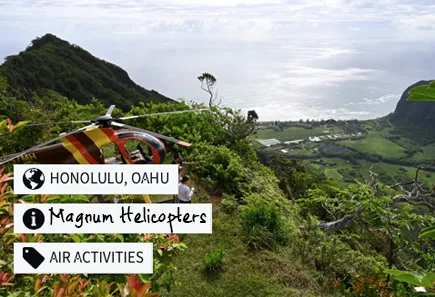
Helicopter Ride/Mountain Landing
For a truly special experience, Magnum Helicopters will give you, not only our famous Doors Off Adventure, but we'll also take you to a private landing spot overlooking the famous Waimea Bay. Take pictures, sip some champagne (our treat) and just relax and enjoy the view.

Doors Off Helicopter Adventure
Your Hawaiian Doors Off helicopter tour begins with a beautiful view of Keehi Lagoon and continues over historic Honolulu Harbor, Aloha Tower, and the Natural Memorial Cemetery of the Pacific. Tour some of Oahu’s most stunning vistas, including Kaawa Valley, and more.

Don't see what you are looking for?
Please contact Go2Hawaii.com and let us know what kind of Hawaii experience you are interested. in. We will do our best to make your Hawaiian vacation unforgettable. We are born and raised in Hawaii and look forward to exceeding your expectations!
Frequently Asked Questions (FAQ) about Traveling to Hawaii
What is the best time to visit Hawaii?
Hawaii is a year-round destination with a warm tropical climate. The best time to visit depends on your preferences. For fewer crowds and lower prices, consider visiting in the spring (April to June) or fall (September to November). The peak tourist season is from mid-December to mid-April.
Do I need a passport to travel to Hawaii?
If you are a U.S. citizen, you do not need a passport to travel to Hawaii. A valid government-issued photo ID is sufficient. International travelers will need a valid passport and may require a visa, depending on their country of origin..
How many islands can I visit in Hawaii?
Hawaii is made up of eight main islands, but six are typically accessible to tourists: Oahu, Maui, Kauai, Hawaii Island (Big Island), Lanai, and Molokai. Each island offers unique experiences, and inter-island flights make it easy to explore multiple islands during your trip.
What should I pack for my trip to Hawaii?
Pack lightweight, comfortable clothing suitable for warm weather, swimwear, reef-safe sunscreen, sunglasses, a hat, and sturdy shoes for hiking and outdoor activities. Don’t forget a light jacket or sweater for cooler evenings and higher elevations.
Can I rent a car in Hawaii?
Yes, renting a car is a popular way to explore the islands, especially on Oahu, Maui, Hawaii Island, and Kauai. Car rentals are available at major airports and in many resort areas. Be sure to book in advance, especially during peak travel seasons.
What are some must-see attractions in Hawaii?
Some must-see attractions include Waikiki Beach and Pearl Harbor on Oahu, Haleakala National Park and the Road to Hana on Maui, the Napali Coast and Waimea Canyon on Kauai, and Hawaii Volcanoes National Park and Mauna Kea on the Big Island.
Are there any cultural customs I should be aware of?
Hawaii has a rich cultural heritage, and respecting local customs is important. Show respect for the land, wildlife, and local residents. Remove your shoes before entering someone’s home, learn a few Hawaiian words and phrases, and always practice aloha (love, peace, and compassion).
Is it expensive to travel to Hawaii?
Travel costs to Hawaii can vary. Flights, accommodations, and activities can be expensive, especially during peak seasons. However, there are ways to save, such as booking in advance, traveling during off-peak times, and exploring free or low-cost attractions like beaches and hiking trails.
What kind of food can I expect in Hawaii?
Hawaii offers a diverse culinary scene, with influences from Hawaiian, Asian, and Pacific Rim cuisines. Don’t miss trying local favorites like poke, loco moco, kalua pig, malasadas, and shave ice. Fresh seafood and tropical fruits are also abundant.
Get In Touch
Email: [email protected]